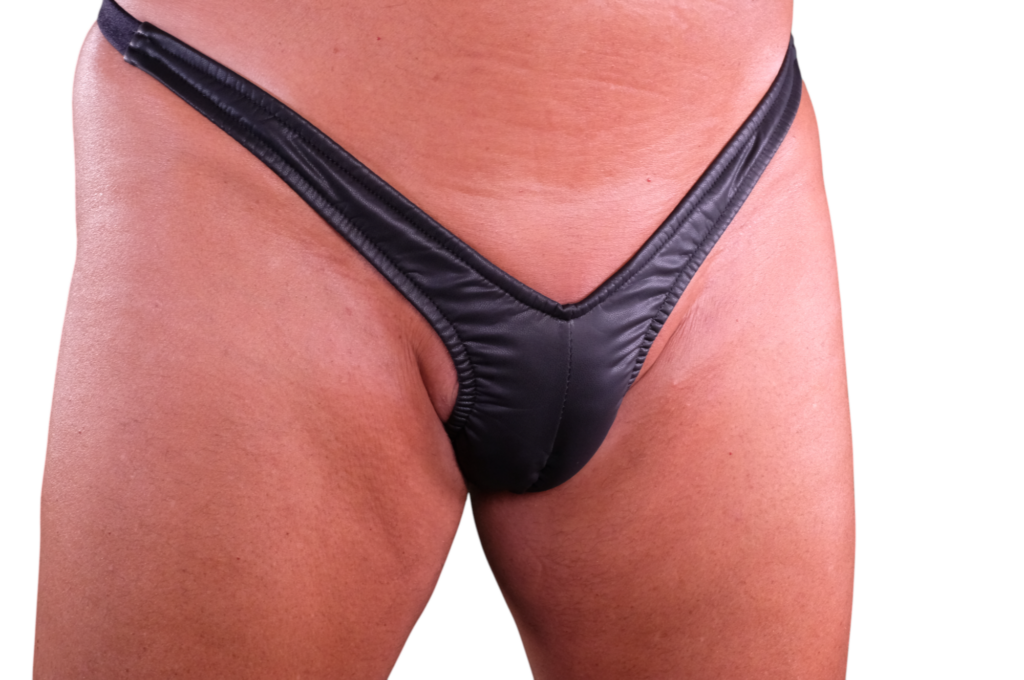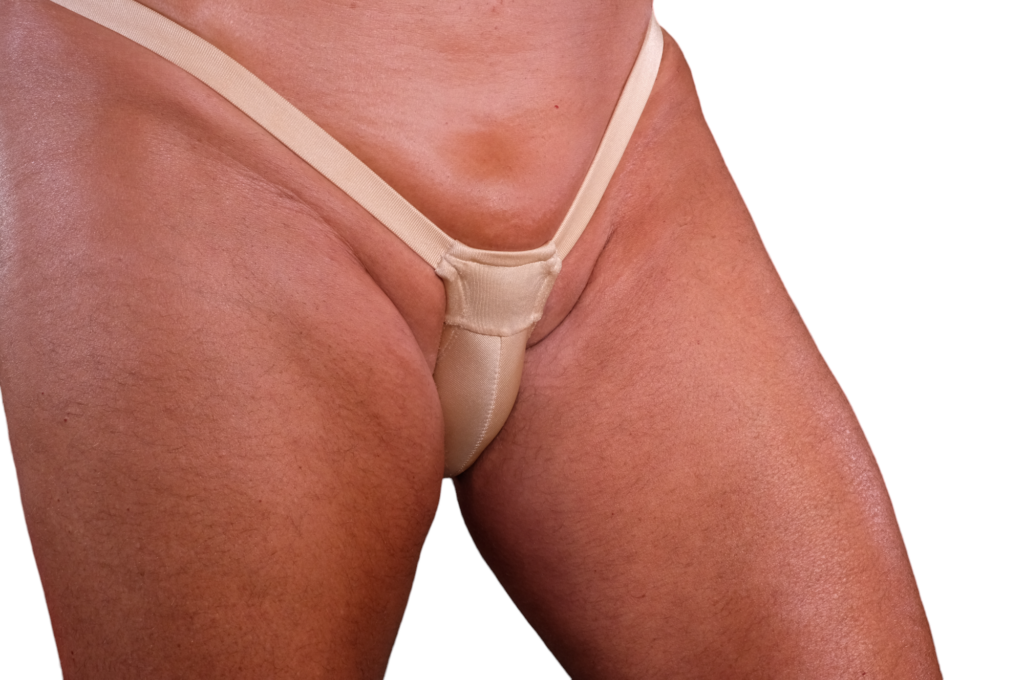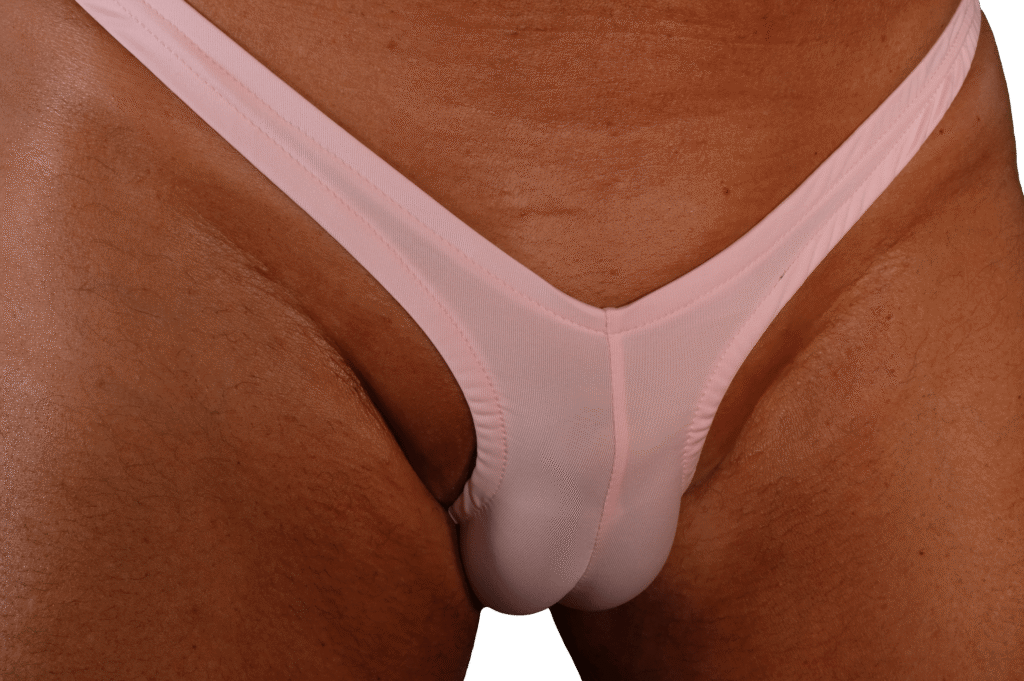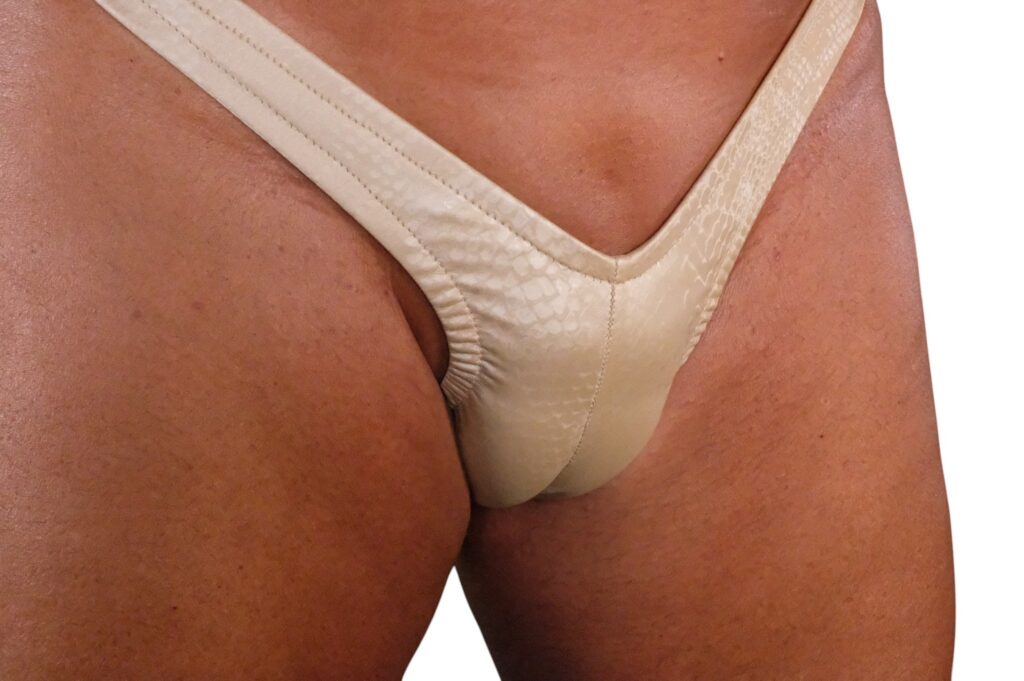
Gender Fluid Swimsuits and the Real You: Expressing Your True Identity at the Beach
The Complete Guide to Gender-Fluid Swimwear, MTF Designs, Feminine Bikinis, Tucking Swimsuits, and Finding the Look That Makes You Feel Like Yourself
For many people, choosing a swimsuit is a simple decision. They select a style they like, find the right size, and head to the beach or swimming pool. But for someone who is gender-fluid, transgender, nonbinary, a feminine man, or simply interested in exploring a different gender presentation, choosing the right swimsuit can be a much more personal and meaningful experience.
Gender-fluid swimsuits are about more than fashion. They are about expressing the real you.
Imagine standing in front of a mirror wearing a swimsuit that finally reflects the person you want the world to see. Perhaps it is a feminine bikini with a perfectly smooth front. Maybe it is a tiny gender-neutral swimsuit that eliminates the traditional masculine bulge. Or perhaps it is a specially designed MTF swimsuit that creates the visual appearance of female anatomy without surgery.
For some people, that moment can be incredibly liberating.
For others, the perfect swimsuit might be a masculine bikini, a thong, or a design that blends masculine and feminine features into something entirely different.
The beauty of gender-fluid swimwear is that there are no universal rules about what you should wear or how you should look.
You can be masculine, feminine, somewhere in between, or change your presentation whenever you want.
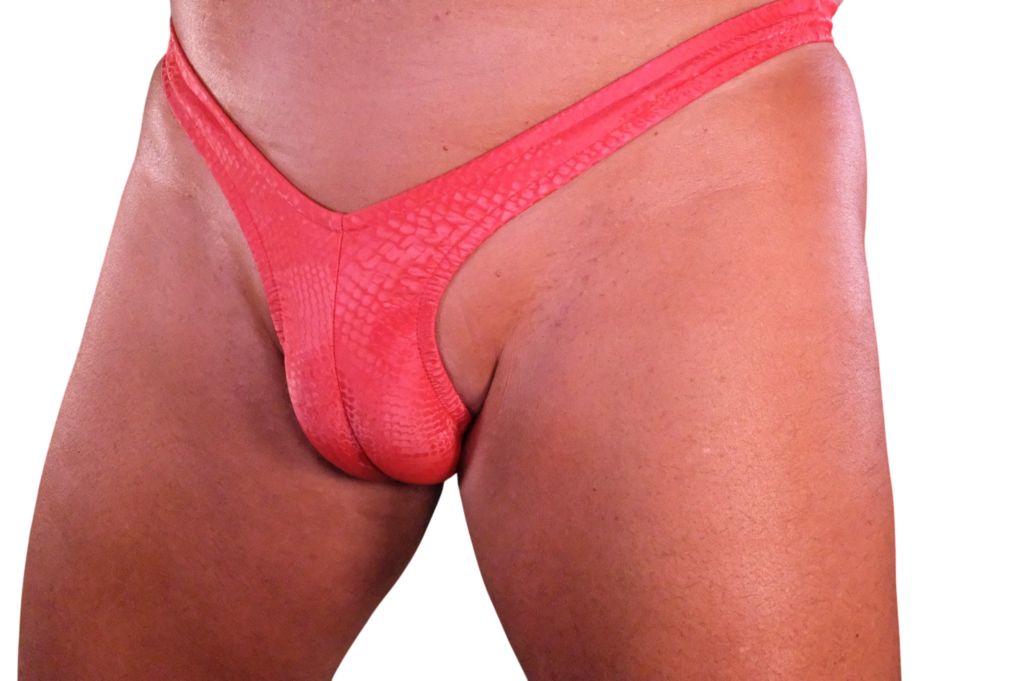
Modern specialty swimwear designers, including Koalaswim.com, offer a variety of styles that allow people to explore these possibilities, including gender-neutral bikinis, MTF transformation swimsuits, micro-bulge designs, tucking swimwear, and feminine thongs.
This comprehensive guide explores how gender-fluid swimsuits can help people discover their preferred appearance, feel more comfortable with their bodies, and enjoy the freedom of being themselves at the beach.
1. What Are Gender-Fluid Swimsuits?
Gender-fluid swimwear is a broad category of swimsuits that allows people to move beyond traditional expectations of men’s and women’s beach clothing.
Historically, swimwear has been divided into two major categories.
Men’s swimsuits generally featured trunks, shorts, briefs, or bikinis designed to accommodate male anatomy.
Women’s swimsuits included one-piece designs, bikinis, thongs, and other styles shaped for female anatomy.
Gender-fluid swimwear challenges these divisions.
Instead of requiring someone to select clothing based entirely on the sex they were assigned at birth, these designs allow the wearer to choose the appearance that feels most comfortable and authentic.
Some gender-fluid swimsuits are deliberately neutral. Others emphasize feminine or masculine characteristics.
For example, a person with male genitalia might choose a swimsuit that creates a smooth, traditionally feminine front. Another might prefer a tiny pouch that minimizes the appearance of the penis without completely hiding it.
Someone else might wear a women’s bikini top with a masculine swim brief.
All of these choices can be part of gender-fluid fashion.
Importantly, gender-fluid describes an experience of gender identity that can change over time. Not everyone who wears gender-fluid clothing identifies as gender-fluid. Some people simply enjoy the fashion or want greater freedom in their appearance.
2. Gender-Fluid Swimwear Is About Finding the Real You
One of the most meaningful aspects of gender-fluid swimwear is the opportunity to express yourself without following conventional expectations.
Many people spend years wearing clothing they believe they are supposed to wear.
A person assigned male at birth may grow up wearing swim trunks because that is what boys and men are expected to wear.
They may never consider wearing a bikini, thong, or feminine swimsuit, even if those styles appeal to them.
Eventually, they might begin experimenting.
Perhaps they purchase a small men’s bikini.
Then they try a thong.
Later, they discover feminine swimwear or a flat-front design that creates an entirely different appearance.
For some, this experimentation is simply about fashion. For others, it becomes part of a deeper exploration of gender identity.
The experience can lead to an important realization:
You do not have to dress according to someone else’s definition of your gender.
Your ideal swimsuit is the one that makes you feel comfortable, confident, and authentic.
And that choice can change.
You might enjoy looking masculine one day and feminine the next.
You might prefer a gender-neutral appearance all the time.
Or you might discover that a particular style helps you express an identity you have wanted to explore for years.
There is no single correct destination.
3. The Evolution of Gender-Fluid Swimwear
Traditional swimwear manufacturers have generally designed their products around separate men’s and women’s collections.
That system works for many customers, but it does not address everyone’s needs.
Specialty designers have expanded the available choices by creating garments that combine features from both categories.
Examples include men’s bikinis with feminine silhouettes, women’s-style bottoms constructed to accommodate male anatomy, and compression swimwear designed to create a smooth front.
More specialized designs focus on visual transformation.
These may include swimsuits intended to minimize a masculine bulge, create the appearance of feminine genital contours, or present a deliberately androgynous silhouette.
The growing availability of these designs reflects a broader interest in fashion that is less restricted by traditional gender categories.
Today, shoppers can find swimwear intended for transgender women, nonbinary people, feminine men, crossdressers, and anyone interested in exploring a different presentation.
Not all of these styles are widely available through mainstream retailers, but specialty swimwear companies have created options that would once have been difficult to find.
4. MTF Swimwear: Creating a Feminine Appearance Without Surgery
One of the most specialized categories of gender-expression swimwear is MTF, or male-to-female, transformation swimwear.
These designs are generally intended for people who want to create a more traditionally feminine appearance in the genital area.
For some transgender women, feminine men, and crossdressers, the appearance of a conventional men’s swimsuit may not match how they want to present themselves.
A traditional front pouch can emphasize anatomy they would prefer to conceal.
MTF swimwear offers alternatives.
Flat-Front MTF Swimsuits
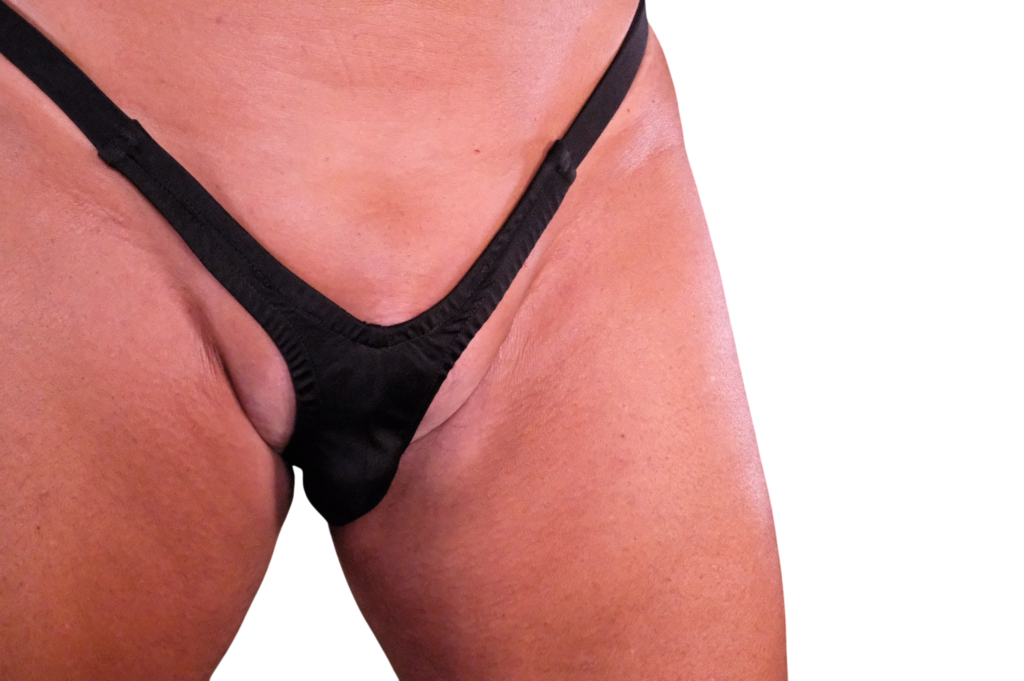
These designs use shaping, compression, and carefully constructed front panels to create a flatter appearance.
The goal is to reduce the visible outline of male genitalia beneath the swimsuit.
Feminine-Contour Swimsuits
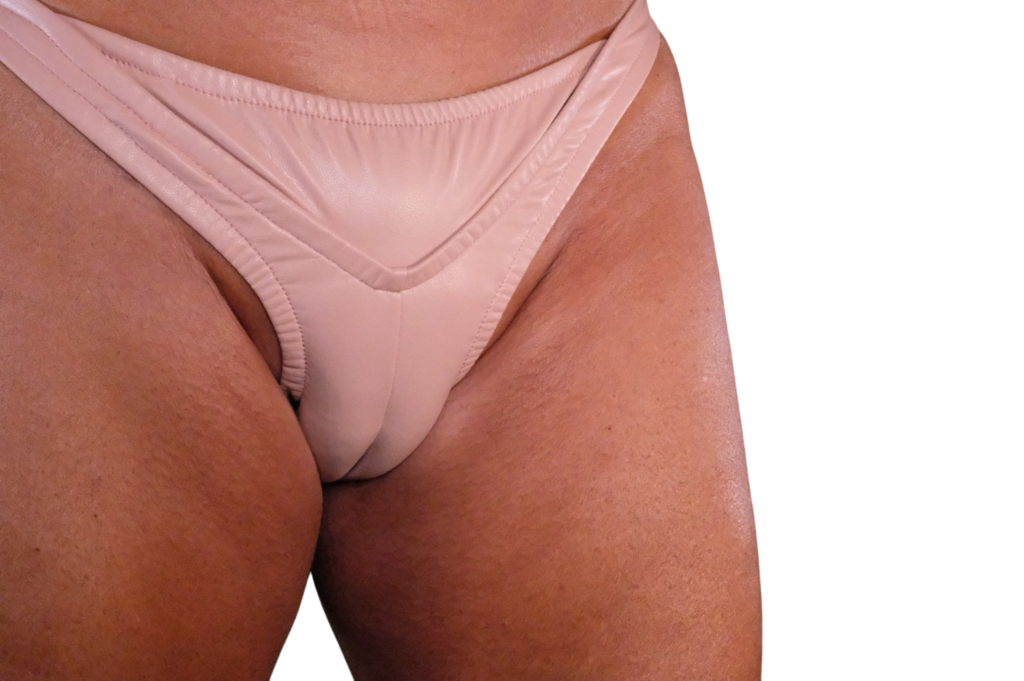
Some specialty designs use fabric construction, padding, or shaping to create a visual contour resembling traditionally female anatomy.
These garments can create a feminine appearance without permanently altering the body.
MTF Micro Bikinis
For people who prefer very small swimwear, micro bikini designs combine minimal fabric coverage with feminine styling.
Because these swimsuits contain so little material, fit and coverage are especially important.
MTF Thong Swimwear
Thong designs can combine a smooth or feminine front with minimal rear coverage.
These styles may appeal to people who enjoy feminine beach fashion and want an alternative to conventional bikini bottoms.
MTF swimwear can be particularly meaningful for someone who wants to present femininely at the beach without undergoing medical transition.
However, clothing does not determine gender identity, and a person does not need surgery, hormones, or any particular anatomical appearance to be a woman.
5. Tucking Swimwear: A Smooth and Feminine Look
Tucking swimwear is another important option for people seeking a flatter genital profile.
Tucking involves positioning the external genitalia to reduce their visibility beneath clothing.
Specially designed swimwear can help maintain a smooth appearance using supportive fabric, compression panels, and garment construction.
Some swimsuits are designed for use with a tuck, while others create a flatter profile without requiring one.
Why People Choose Tucking Swimwear
People may choose tucking swimwear for several reasons.
Some transgender women prefer a smooth appearance beneath their bikini.
Some nonbinary people want to reduce the visual emphasis on their genital anatomy.
Feminine men and crossdressers may enjoy the appearance of women’s swimwear without a prominent front pouch.
Others simply prefer the streamlined appearance of a flat-front swimsuit.
Comfort and Safety
Tucking should never be painful.
Avoid excessive compression, tight tape, or prolonged positioning that causes numbness, skin irritation, or discomfort.
Use garments designed for the purpose, take breaks when needed, and stop if pain or circulation problems occur.
A comfortable swimsuit that creates a slightly less dramatic appearance is preferable to one that causes injury.
6. Gender-Neutral Swimwear: Neither Masculine nor Feminine
Not everyone wants to look distinctly male or female.
Some people prefer a neutral appearance that minimizes traditionally gendered body contours.
Gender-neutral swimwear can provide that option.
These designs may feature smooth fronts, simple silhouettes, understated colors, and minimal anatomical emphasis.
Other gender-neutral swimsuits use bold colors, micro cuts, or unusual shapes that deliberately challenge traditional categories.
The Appeal of a Neutral Front
For someone who does not want a prominent masculine pouch, a neutral-front swimsuit can feel more comfortable.
It may create a flatter appearance without attempting to simulate female anatomy.
This distinction matters.
A person may want to reduce the appearance of male genitalia without necessarily wanting to look female.
Gender-neutral designs allow that choice.
Gender-Neutral Does Not Mean Boring
Some of the most adventurous specialty swimwear designs are gender-neutral.
Tiny bikinis, minimalist thongs, and unconventional front panels can create a striking appearance without fitting neatly into conventional men’s or women’s swimwear categories.
The goal is personal expression rather than conformity.
7. Micro-Bulge Swimwear: Making the Masculine Profile Smaller
One specialized trend in men’s swimwear involves creating a smaller, less prominent front profile.
Traditional men’s bikini designs often use contoured pouches that emphasize the genital area.
Micro-bulge swimwear takes a different approach.
These designs use compact pouches, flatter construction, and reduced fabric volume to create a smaller-looking front.
Some people enjoy the appearance because it is understated.
Others appreciate the contrast between a masculine body and a very small swimsuit profile.
For some feminine men, micro-bulge swimwear becomes a transition between traditional men’s bikinis and fully flat-front MTF designs.
Different Micro-Bulge Looks
A compact pouch can create a subtle masculine outline.
A compression front can reduce the visible profile further.
A gender-neutral front can minimize anatomical definition.
An MTF-inspired front may create an entirely feminine appearance.
The important distinction is that these are visual effects produced by clothing. They do not permanently change genital size.
8. Feminine Bikinis for Men: Fashion Without Gender Rules
One of the simplest ways to explore gender-fluid swimwear is to try a feminine bikini.
This does not necessarily require tucking, specialized shaping, or any form of body modification.
A man might simply prefer a bikini with high-cut legs, narrow sides, delicate straps, or traditionally feminine colors.
These designs can create a softer appearance while remaining comfortable for someone with male anatomy.
Popular Feminine Bikini Features
High-cut leg openings can create a longer-legged silhouette.
Narrow side straps reduce the amount of fabric around the hips.
Low-rise fronts can create a more delicate bikini appearance.
Pastel colors, floral patterns, and glossy fabrics can add a feminine aesthetic.
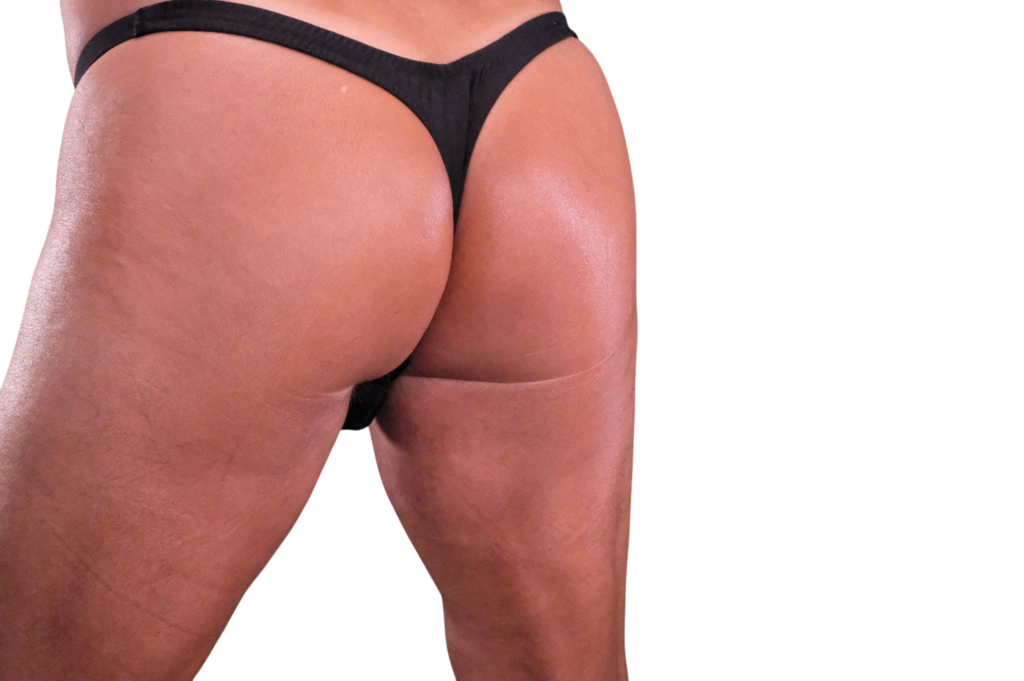
Thong and Brazilian-style backs provide additional styling options.
Some men enjoy combining these elements with an otherwise masculine presentation.
Others use feminine bikinis as part of a more complete transformation that includes body grooming, accessories, and feminine clothing.
Neither approach is more authentic than the other.
9. Gender-Fluid Thongs and G-Strings
Thongs and G-strings are particularly interesting in gender-fluid swimwear because similar basic silhouettes are available across men’s and women’s fashion.
The primary differences often involve front construction and anatomical accommodation.
A traditional men’s thong usually features a pouch.
A women’s thong generally has a flatter front.
Gender-fluid versions may combine features of both.
Some designs maintain a small pouch while using feminine styling.
Others provide compression or shaping for a smoother appearance.
Still others use a neutral front that does not strongly emphasize masculine or feminine anatomy.
For someone exploring gender presentation, these variations can create very different looks while using similar amounts of fabric.
10. The Freedom of Wearing Gender-Fluid Swimwear in Public
For many people, wearing gender-fluid swimwear privately is one experience.
Wearing it at the beach or around a swimming pool can feel entirely different.
The first public outing may involve excitement, nervousness, and uncertainty.
You may wonder whether other people will notice your swimsuit.
You may worry that your feminine appearance will attract attention.
Or you may simply feel unfamiliar with wearing such a small garment in public.
These reactions are understandable.
Trying a new form of self-expression often requires adjusting to how you feel in unfamiliar clothing.
Building Confidence
One approach is to begin with a swimsuit that feels comfortable rather than immediately choosing the most revealing design available.
A small bikini may be an easier starting point than an ultra-micro thong.
A flat-front swimsuit may feel more natural than a dramatic feminine-contour design.
You can experiment privately before deciding what to wear in public.
Choose beaches and pools where your swimsuit is permitted and where you feel reasonably safe.
You do not have to explain your gender identity to strangers or justify your clothing choices.
Over time, many people become more comfortable wearing styles that initially felt intimidating.
11. Can Gender-Fluid Swimwear Help Someone Explore Their Gender Identity?
For some people, yes.
Clothing can provide a relatively accessible way to explore different forms of gender expression.
A person who has always presented as masculine may discover that feminine swimwear feels unexpectedly comfortable.
Someone who identifies as nonbinary may find that neutral-front designs better reflect their sense of self.
A transgender woman may appreciate a swimsuit that allows her to enjoy the beach without feeling that her clothing emphasizes anatomy she would rather conceal.
However, clothing preferences do not automatically reveal a person’s gender identity.
A man who enjoys wearing feminine bikinis is not necessarily transgender.
A woman who prefers masculine swimwear is not necessarily nonbinary.
And someone who experiments with different styles does not have to adopt a particular label.
Gender identity is personal, and swimwear is one of many ways people can express it.
12. Choosing the Right Gender-Fluid Swimsuit for Your Body
Finding the right swimsuit involves more than choosing a style you like.
Fit, comfort, fabric, and intended use are important.
Consider Your Desired Appearance
Do you want a masculine profile, a smaller bulge, a completely smooth front, or a more feminine contour?
Knowing the look you want can help narrow the options.
Consider the Amount of Coverage
A traditional bikini provides more coverage than a micro thong.
An ultra-micro swimsuit may be suitable for a private pool or specialized beach environment but not for every public swimming location.
Choose the Right Fabric
Nylon-spandex and polyester-spandex blends are common swimwear materials.
Look for fabric with adequate stretch recovery and a construction appropriate for swimming.
Pay Attention to Sizing
A swimsuit that is too small can create discomfort, excessive compression, or unwanted exposure.
A swimsuit that is too large may fail to provide the shaping or support you want.
Think About Your Activities
A swimsuit intended for lounging may not remain secure during vigorous swimming, diving, or beach sports.
Select a design that matches how you plan to use it.
13. Gender-Fluid Swimwear for Transgender Women
For many transgender women, swimwear shopping presents challenges that conventional clothing shopping does not.
A swimsuit may need to provide a feminine appearance while accommodating anatomy that standard women’s swimwear was not designed for.
Specialized designs can help address those needs.
Some women prefer tucking bikinis.
Others choose swimsuits with built-in compression.
Some prefer skirts, swim dresses, or shorts that provide additional coverage.
Others feel most comfortable wearing tiny bikinis or thongs.
There is no single correct choice.
A transgender woman does not have to hide her anatomy to be feminine, and she does not need to choose a revealing swimsuit to demonstrate confidence.
The best swimsuit is the one that allows her to enjoy the water and feel comfortable in her own body.
14. Gender-Fluid Swimwear for Femboys and Feminine Men
Femboys and feminine men represent another group that may enjoy gender-fluid swimwear.
Some enjoy combining traditionally masculine and feminine features.
Others prefer an entirely feminine presentation.
A feminine man might wear a small bikini with a conventional pouch.
Another might choose a flat-front swimsuit.
Someone else might prefer a highly feminine MTF design that creates the visual impression of female anatomy.
These choices do not necessarily indicate a desire for medical transition.
For many feminine men, clothing is simply a way to express a preferred aesthetic.
Gender-fluid swimwear makes it easier to experiment with these possibilities.
15. Gender-Fluid Swimwear for Couples
Swimwear can also become a shared interest for couples.
A partner may encourage someone to experiment with styles they have always wanted to try.
For example, a man who normally wears board shorts might discover that he enjoys feminine bikinis.
A couple might choose matching thong swimsuits or coordinated colors.
One partner might prefer masculine swimwear while the other chooses a gender-neutral or MTF design.
Some couples enjoy exploring gender expression together, while others simply appreciate unconventional fashion.
The most important consideration is that everyone involved feels comfortable with their choices.
Encouragement can be positive, but pressure or humiliation should never replace genuine consent.
16. Koalaswim and the World of Gender-Expression Swimwear
Specialty swimwear companies have helped expand the choices available to people interested in unconventional designs.
Koalaswim.com offers a range of men’s bikinis, thongs, micro swimsuits, and gender-expression-oriented styles.
For shoppers interested in exploring beyond conventional swimwear, relevant categories may include:
- MTF transformation swimsuits
- Flat-front and tucking designs
- Gender-neutral bikinis
- Micro-bulge swimwear
- Feminine thongs and G-strings
- Ultra-micro bikinis
- Minimal pouch designs
- Feminine-inspired men’s swimwear
These categories illustrate how specialized clothing can offer very different appearances without requiring permanent physical changes.
For someone discovering their preferred presentation, having multiple options can be valuable.
17. The Emotional Experience of Finding the Perfect Swimsuit
There is an emotional side to gender-fluid swimwear that is easy to overlook.
Imagine someone who has spent years feeling uncomfortable in conventional men’s swim trunks.
They may dislike the way the clothing emphasizes a masculine presentation.
They might have always admired women’s bikini designs but never believed they could wear one.
Then they discover a swimsuit that provides the look they have been imagining.
Perhaps it is a feminine bikini.
Perhaps it is an MTF design with a smooth front.
Or perhaps it is a gender-neutral micro swimsuit that feels neither masculine nor feminine.
When they look in the mirror, the experience may be more significant than simply trying on new clothing.
They may finally see an appearance that feels natural.
For some people, that can be an important moment of self-recognition.
For others, it may simply be an enjoyable fashion discovery.
Both experiences are valid.
18. Frequently Asked Questions About Gender-Fluid Swimsuits
What is a gender-fluid swimsuit?
A gender-fluid swimsuit is swimwear that allows the wearer to express masculine, feminine, neutral, or changing gender presentations without being restricted to conventional men’s or women’s styles.
Can a man wear a women’s-style bikini?
Yes. Clothing is not restricted by gender identity, although choosing a design that fits comfortably and provides appropriate support is important.
What is an MTF swimsuit?
An MTF swimsuit is a specialized design intended to create a more traditionally feminine appearance, often by flattening or reshaping the visible genital profile.
Can gender-fluid swimwear make a penis look like a vagina?
Certain specialty designs can create a visual impression resembling female genital contours through shaping and fabric construction. This is a clothing effect rather than an anatomical transformation.
Do all gender-fluid people want a feminine appearance?
No. Gender-fluid people may prefer masculine, feminine, neutral, or changing presentations.
Is tucking necessary for MTF swimwear?
Not always. Some swimsuits require tucking to achieve their intended appearance, while others use built-in shaping or compression.
Can straight men wear gender-fluid swimsuits?
Absolutely. Clothing preferences and sexual orientation are separate.
Are gender-fluid swimsuits appropriate for public beaches?
Many are, provided they meet local coverage requirements. Extremely minimal styles may be restricted at certain beaches or pools.
Can gender-fluid swimwear replace gender-affirming surgery?
Swimwear can create temporary visual effects and may help someone feel comfortable with their presentation, but it does not change anatomy or replace medical treatment for those who want it.
What is the best gender-fluid swimsuit for a beginner?
A comfortable feminine-cut bikini, flat-front brief, or gender-neutral swimsuit is often a good starting point. The ideal choice depends on the appearance and coverage you prefer.
19. The Future of Gender-Fluid Swimwear
The future of swimwear is likely to offer increasingly varied designs that accommodate different bodies and presentations.
Traditional men’s and women’s swimsuits will continue to exist, but specialized fashion offers alternatives for people who want something different.
We can expect designers to continue experimenting with smooth-front construction, innovative compression panels, adjustable shaping, feminine silhouettes, and minimal swimwear.
Greater attention to inclusive sizing and anatomical diversity could also make gender-expression swimwear more comfortable and accessible.
The most important development may be the growing recognition that people do not have to choose clothing based solely on traditional gender expectations.
Someone may prefer masculine swimwear one day and feminine swimwear another.
Someone else may feel most comfortable with a consistent gender-neutral appearance.
And another person may discover that a particular swimsuit helps them express an identity they have been exploring for years.
The ability to choose is what makes gender-fluid fashion meaningful.
Conclusion: Gender-Fluid Swimsuits Let the Real You Shine
At its heart, gender-fluid swimwear is about freedom.
The freedom to wear a bikini instead of board shorts.
The freedom to choose a feminine appearance without undergoing surgery.
The freedom to minimize a masculine bulge, create a smooth front, or wear a swimsuit that reflects a more neutral presentation.
The freedom to be masculine, feminine, somewhere in between, or simply yourself.
For some people, a gender-fluid swimsuit is just another fashion choice.
For others, it can be an important step toward feeling comfortable with their gender expression.
There is something powerful about finding clothing that allows you to look in the mirror and recognize the person you want to present to the world.
And when that confidence carries over to the beach, the swimming pool, or a vacation resort, the experience can be especially rewarding.
The real beauty of gender-fluid swimsuits is not that they make everyone look the same. It is that they allow people to look the way they want to look.
Whether you choose a traditional bikini, a tiny thong, an MTF transformation swimsuit, a smooth-front tucking design, or an ultra-micro gender-neutral style, your swimsuit can become an expression of your individuality.
You do not have to follow someone else’s rules about what a man or woman should wear.
You do not have to choose between masculine and feminine if neither category fully describes you.
And you do not have to permanently change your body to experiment with a different appearance.
Gender Fluid Swimsuits and the Real You are ultimately about one simple idea: Wear what makes you feel like yourself, enjoy the freedom of your chosen look, and let your true personality shine through.